Shapes
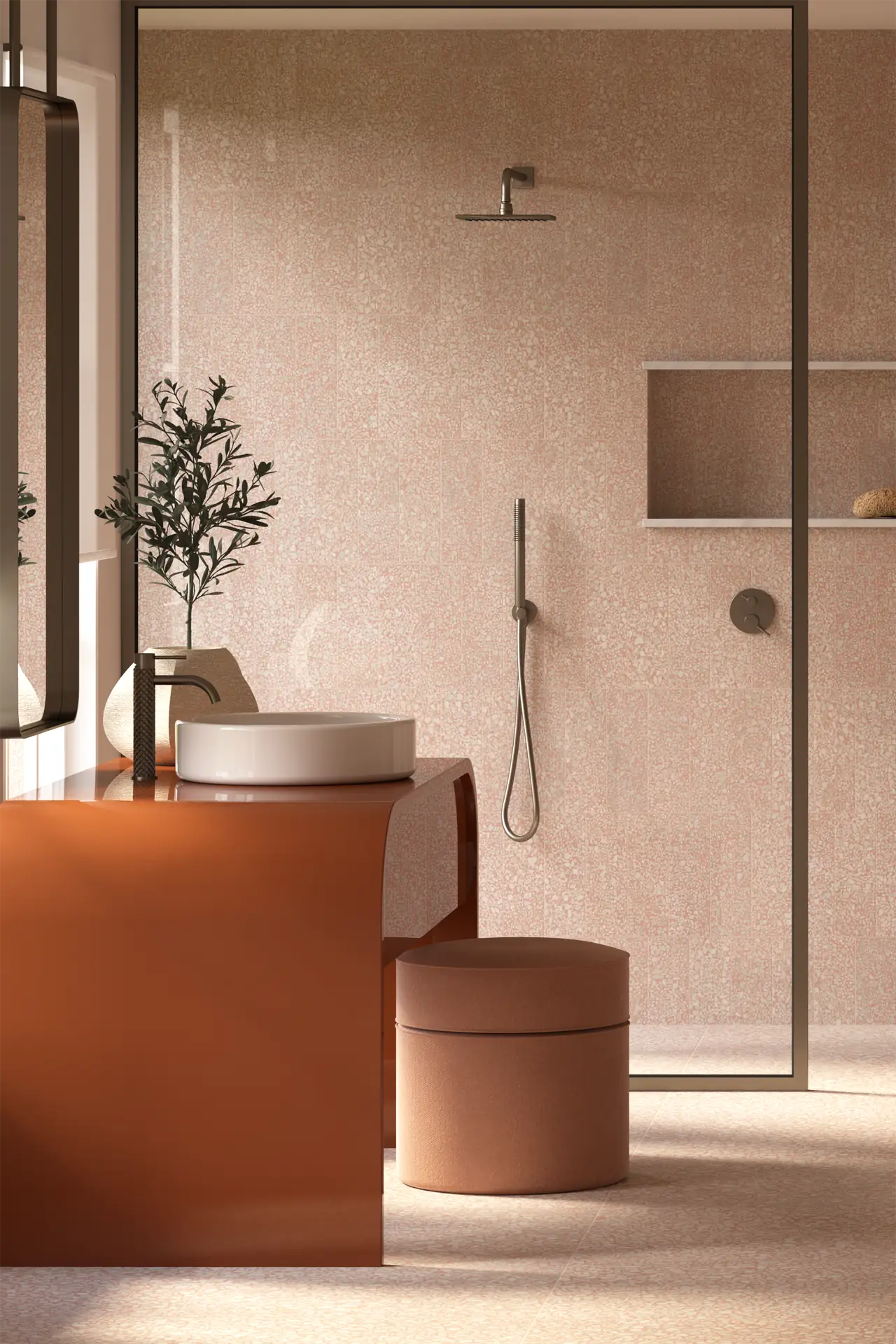
Terrazzo has never relied on shape for its identity. Its character comes from the material itself, from aggregate, colour, texture, and the subtle variation within every surface. However, changing the format can completely alter the way we experience it.
Download Catalogue
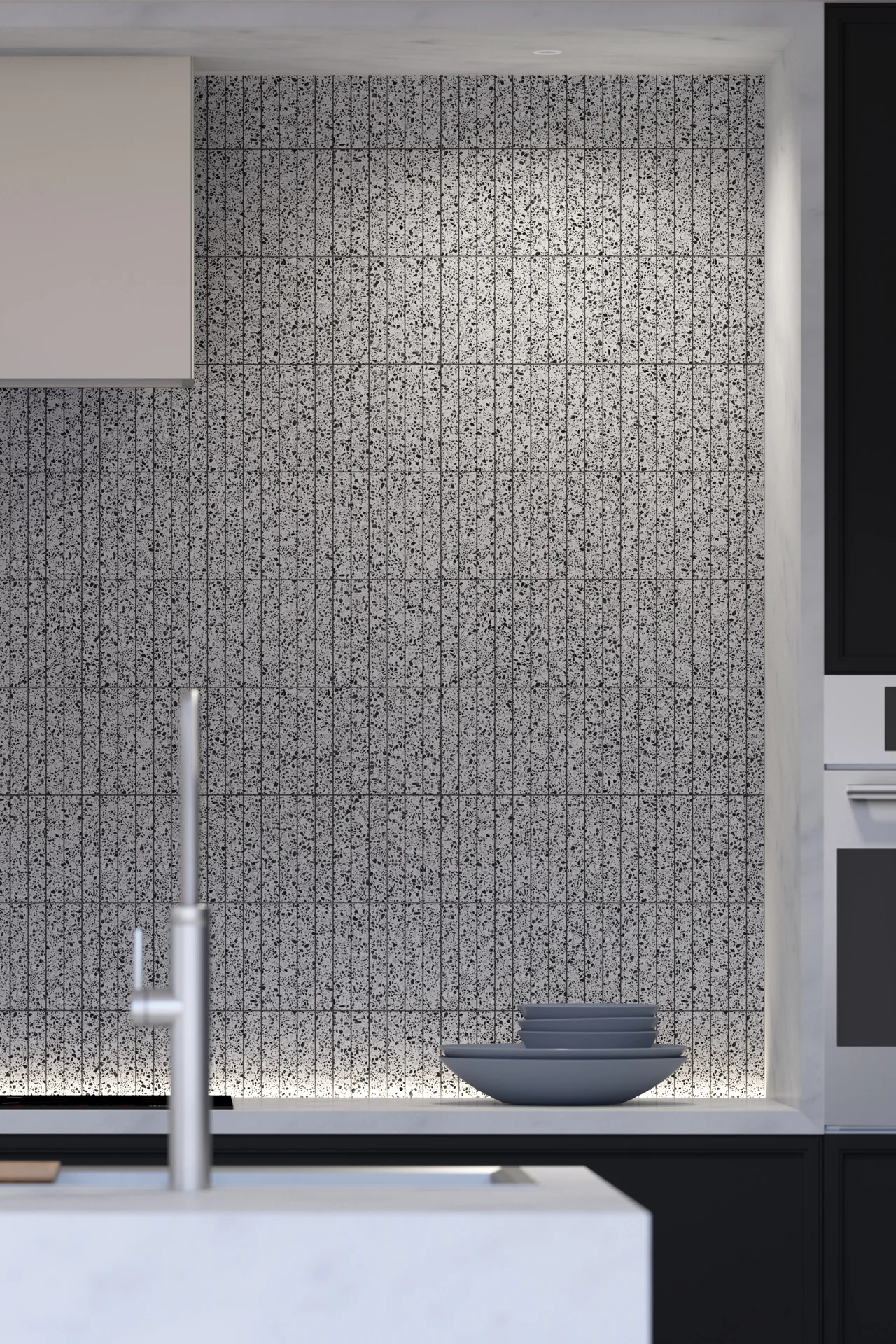
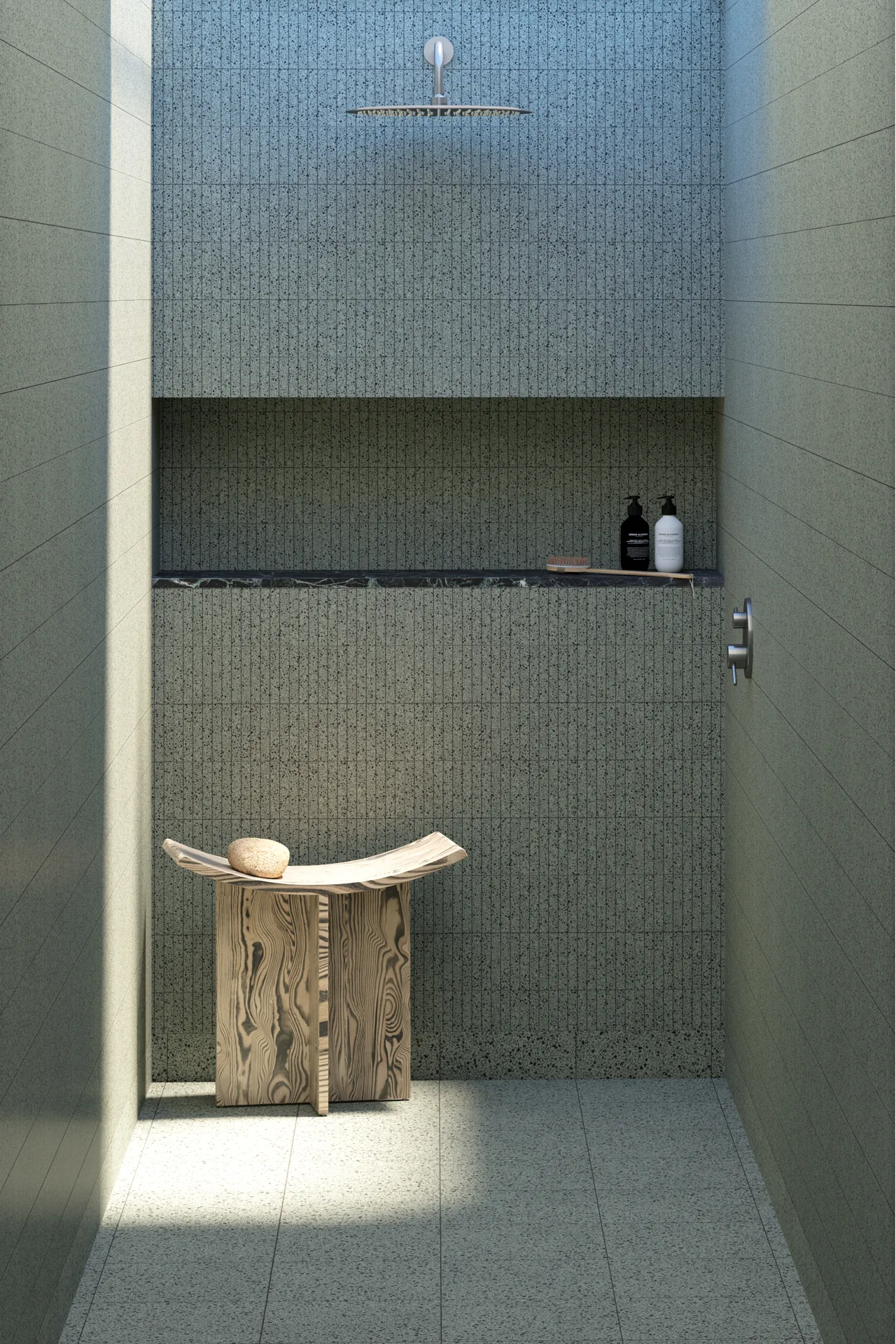
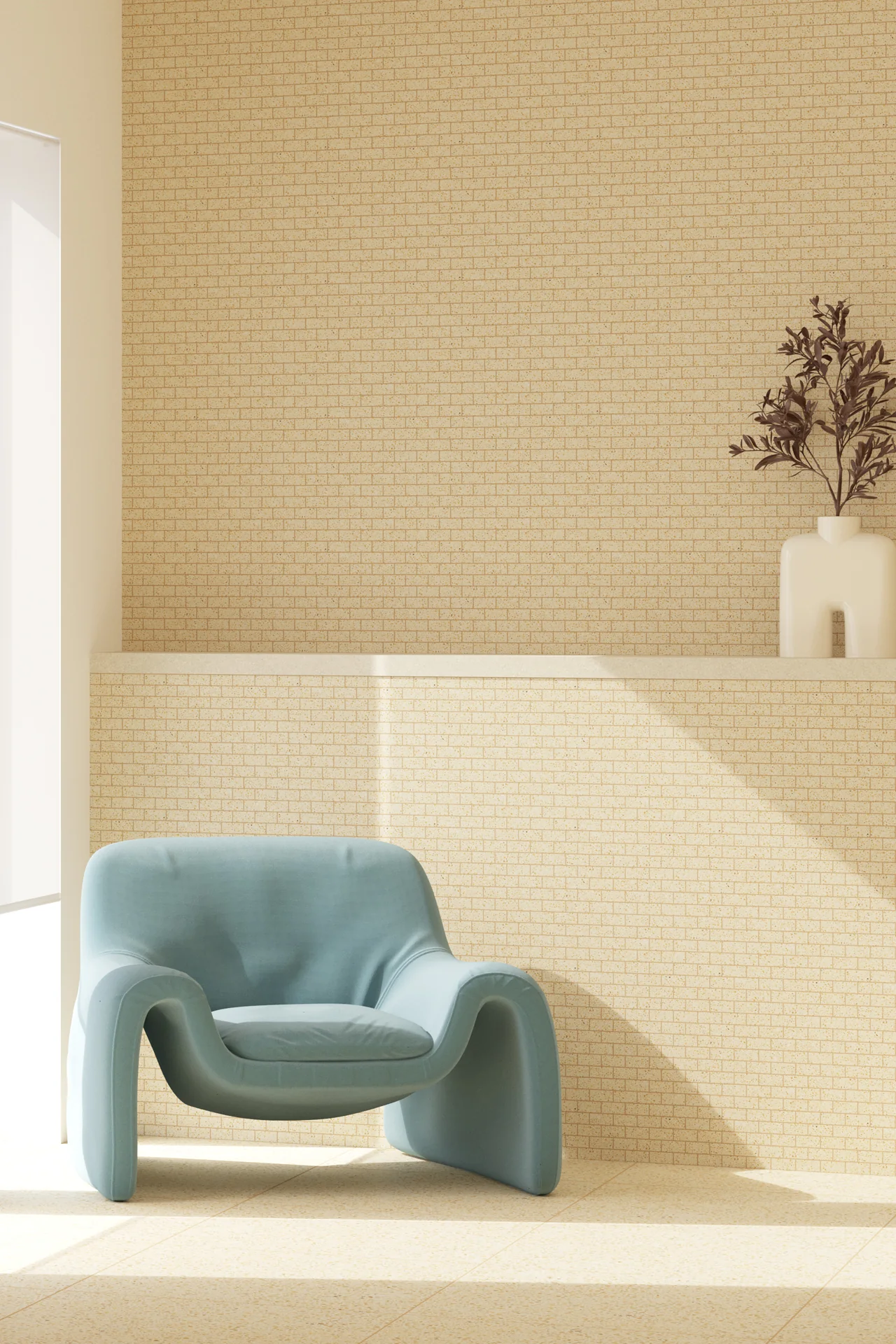
The beauty of a brick format tile often lies in its versatility. A simple change in layout can completely transform the character of a surface. Horizontal arrangements create a sense of width and continuity, while vertical layouts introduce height and rhythm.
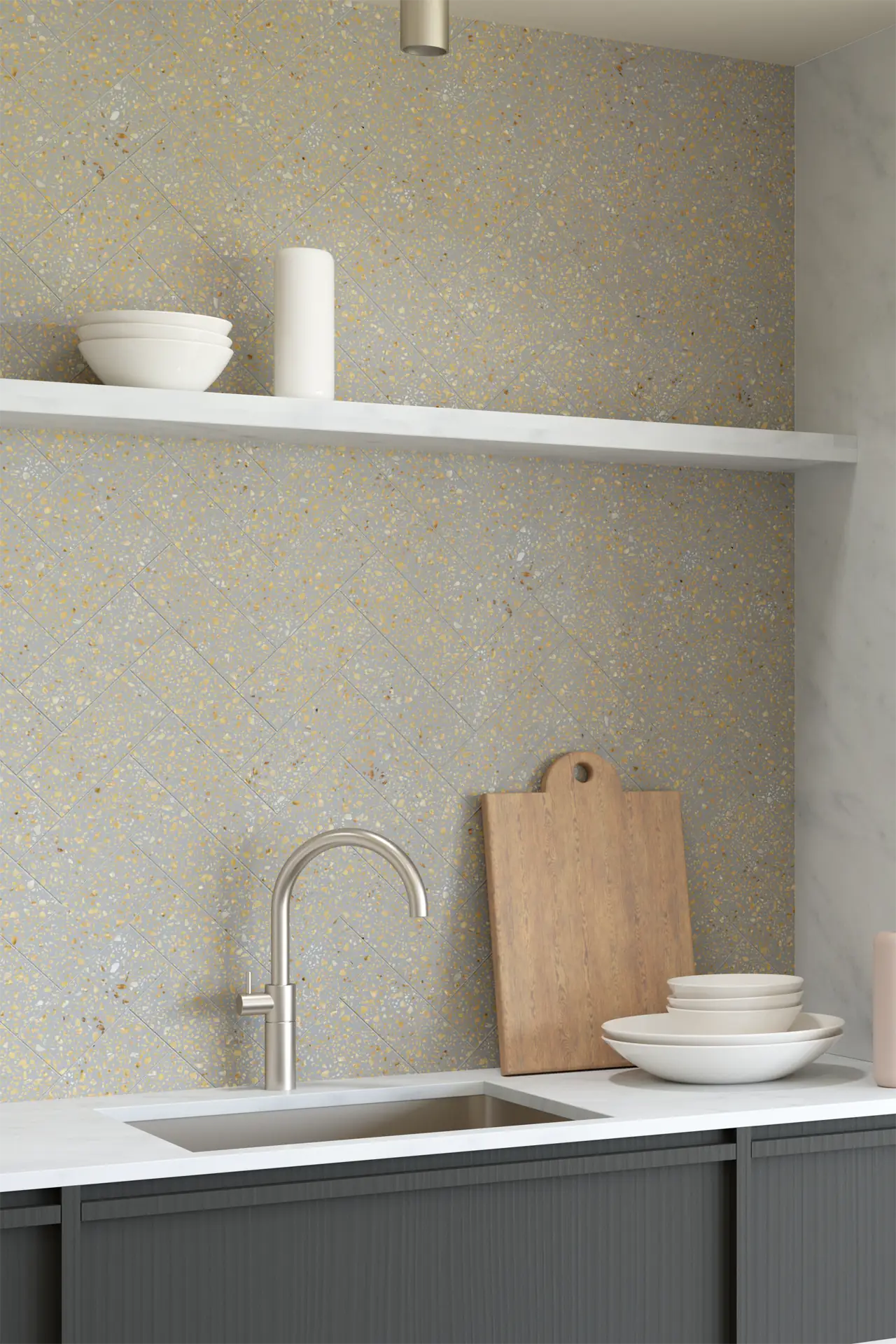
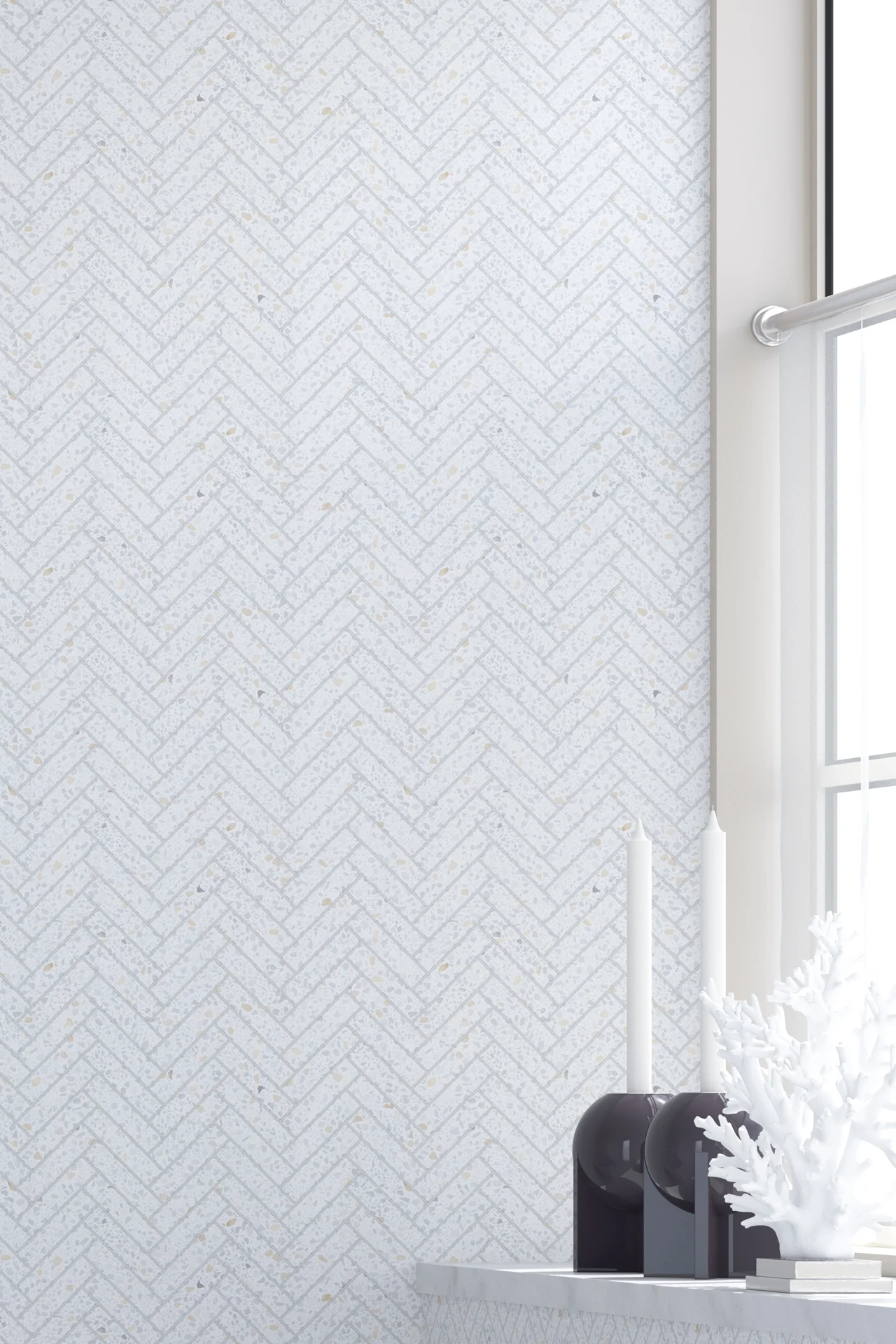
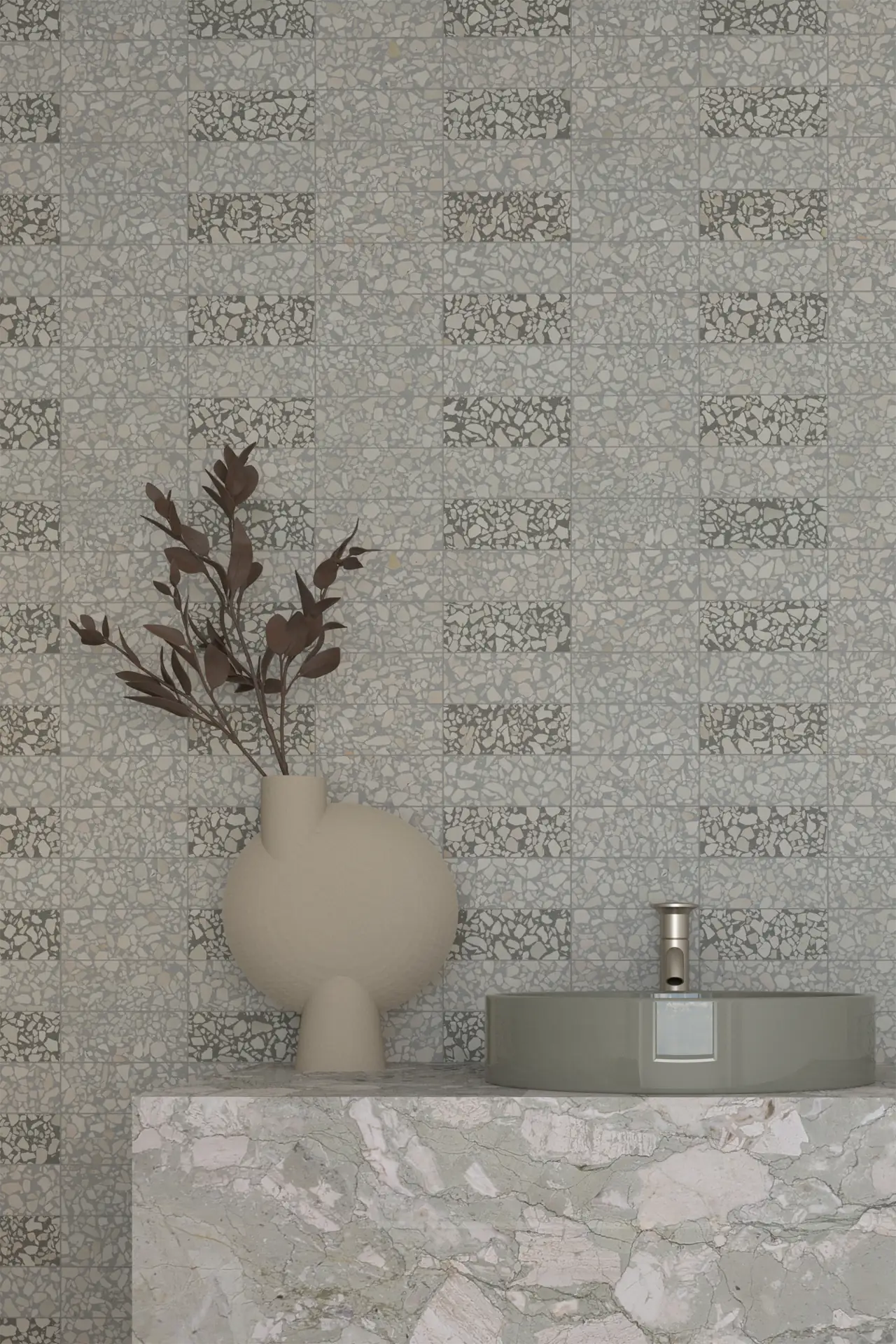
Herringbone, basket weave, and offset patterns add movement and visual interest without relying on bold colours or decorative motifs. Consequently, the format allows designers to create distinct identities using a single tile shape.
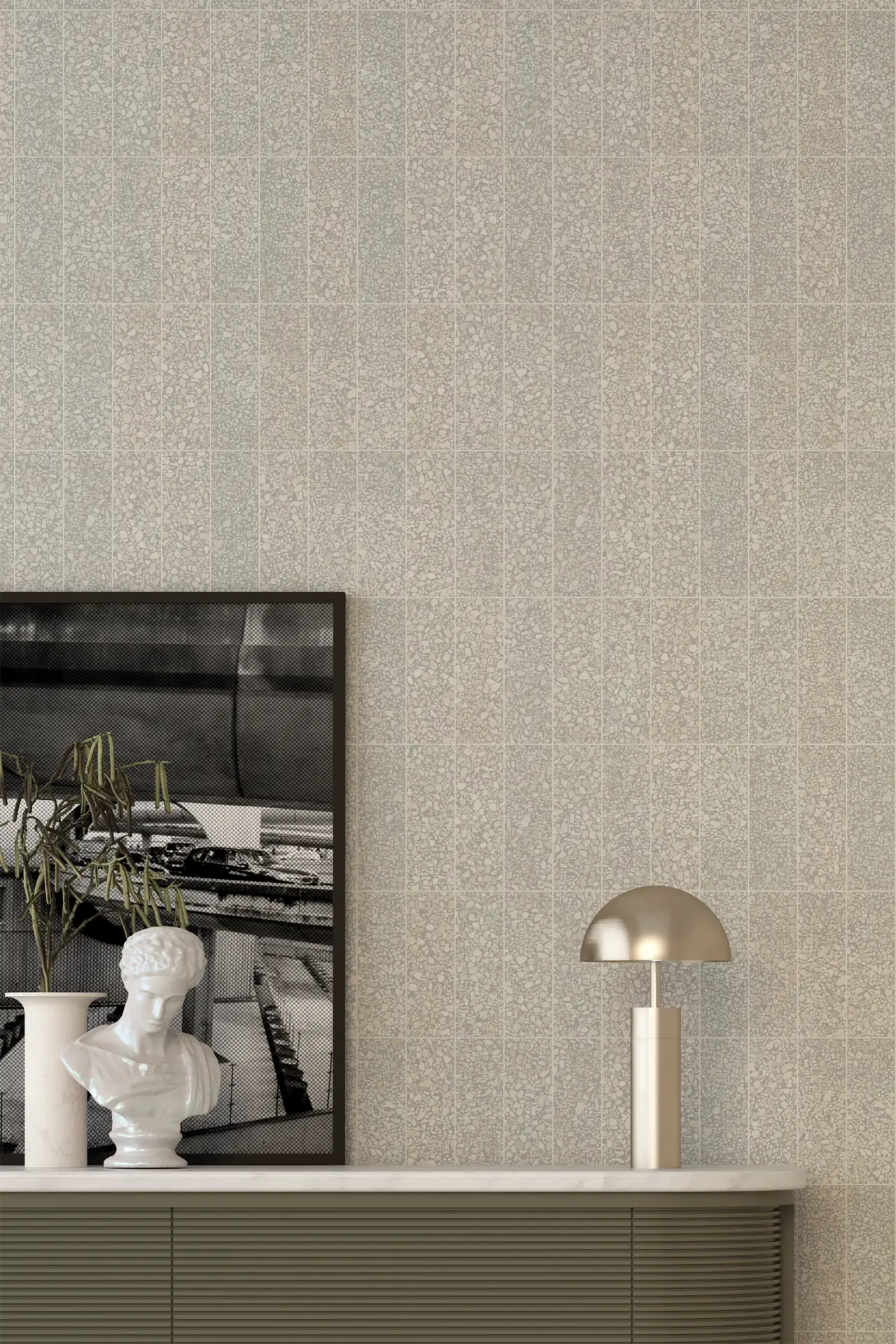
Beyond practicality, rectangular tiles bring a strong sense of order and structure to a space. Their repeated geometry creates rhythm across walls and floors, while grout lines contribute texture and definition.
At the same time, the elongated proportions help guide the eye through an interior, reinforcing architectural lines and spatial flow. Whether used as a subtle backdrop or a defining design feature, brick format tiles offer a timeless balance of simplicity, character, and design freedom.
Download Catalogue
Terrazzo usually arrives with a certain visual weight. We think of broad expanses with aggregate scattered freely across a continuous surface. Reduce that material into smaller formats, however, and something interesting happens. The terrazzo remains familiar, but its character begins to change.
Mosaic pieces introduce a finer scale and a more deliberate rhythm. The eye starts to notice repetition, proportion, and direction alongside the natural variation of the aggregate. Suddenly, terrazzo becomes less about the uninterrupted surface and more about how individual pieces come together.
This is where the idea of mosaic becomes particularly interesting. There is no need for imagery or elaborate decoration. Instead, the format itself does the work. A simple brick creates order and familiarity. A narrow stick introduces stronger lines and a different pace. Herringbone changes direction, bringing movement through one of the simplest geometric gestures.
Grout also becomes part of the conversation. It defines each piece, giving structure to the scattered character of the aggregate. Depending on its tone, it can quietly connect the surface or emphasise every individual element. This relationship between material and joint adds another layer to an otherwise straightforward idea.
Sometimes the simplest formats create the strongest interiors. Veniston tiles provide a calm foundation that adapts effortlessly to changing styles.
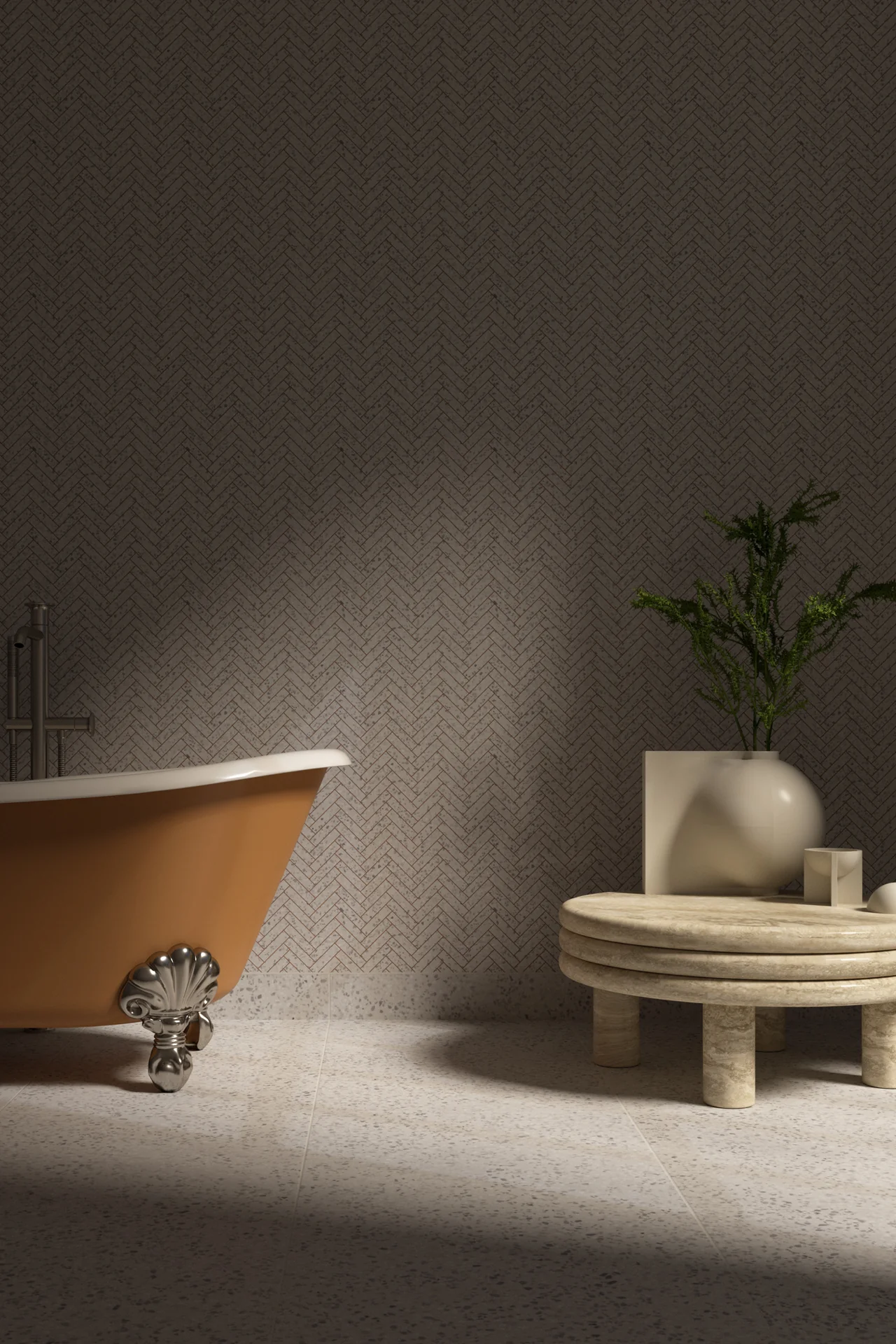
Small formats ultimately offer another way to explore a familiar material. They can make terrazzo feel quieter, more graphic, more structured, or simply different. Rather than changing what terrazzo is, they expand what it can do.